VOL. I · NO. 1 · KEPT IN THE ATTIC
★ A SCRAPBOOK EDITION ★ "YOU ALWAYS WIN AT GAME" PRICE: ONE CENT (98c THE ALBUM)
The Early Days of GAME & Grants  ·  Durban, South Africa
DURBAN · NATAL ESTABLISHED 1970 BEFORE COMPUTERS

How two friends turned shopping into a game

The official history is four thin lines. This is the rest of it — the founders, the team, the shocking pink, and a small war over the price of a camera — remembered by the people who were there.

Turn the page
Chapter One

Before Computers

Durban, the middle 1960s — a city waiting for an idea.

There were no credit cards in South Africa then, save for Diners Club and American Express. You either had the cash to buy a thing, or you bought it on the Pay As You Earn system, or you paid it off on your electricity account through the Durban "Corporation Scheme."

The trouble was this: a person with cash in hand got no reward for it. The big department stores and furniture houses owned the market, and everyone paid the same price. Across the country in Johannesburg, Dion Friedland had started Rave and Tony Factor had started Downtown. But Durban — Durban was still waiting.

"Remember — we are talking about the period BC. Before Computers."

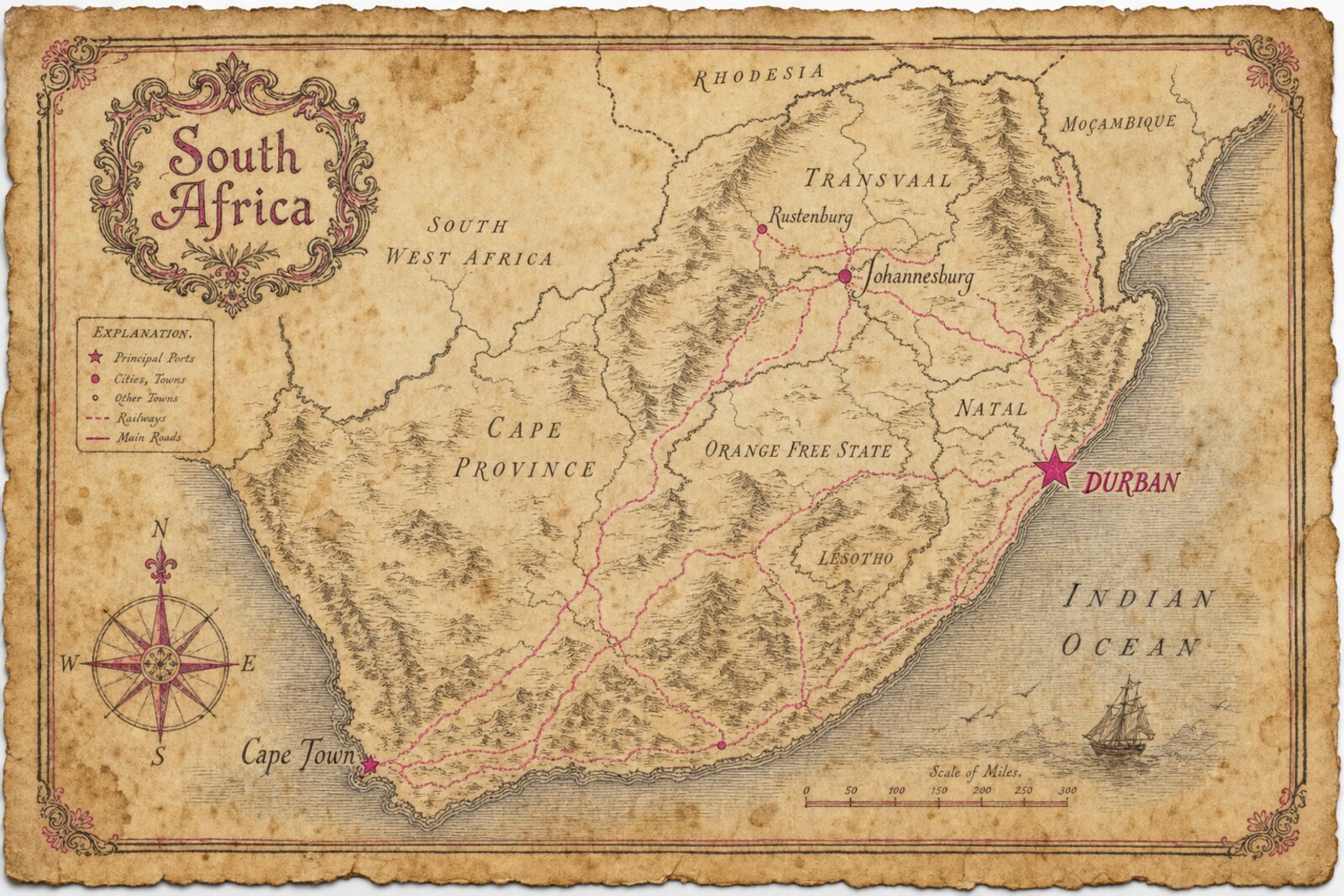
Hand-drawn antique map of South Africa with Durban marked
It began here
Chapter Two

Two Friends from Durban

Schoolboys at DPHS, then DHS, then university — and a partnership that made history.

Alan Hellmann and Jack Schaffer first met as boys in Durban. They went through Durban Preparatory High School together, matriculated at Durban High School, and went up to university in the city. Alan took his B.Com; Jack qualified as a chartered accountant.

Jack ran the Friendly Christmas Club in Pine Street — a clever business for people who had little: you bought stamps each week all year, and when your book was full you walked out with the radio, the linen, the kettle you'd been saving for. Alan, meanwhile, was up in Rustenburg in the sprawling family store, dreaming — against some of the family's wishes — of opening discount stores.

"Alan and Carole bravely left Rustenburg to go to Durban and join with Jack," Bernard remembers, "and the rest is history. Alan was a marketing genius and ahead of his time." Jack had the contacts; Alan had the vision. Between them they had read everything about the American mass-merchants. Durban was about to stop waiting.

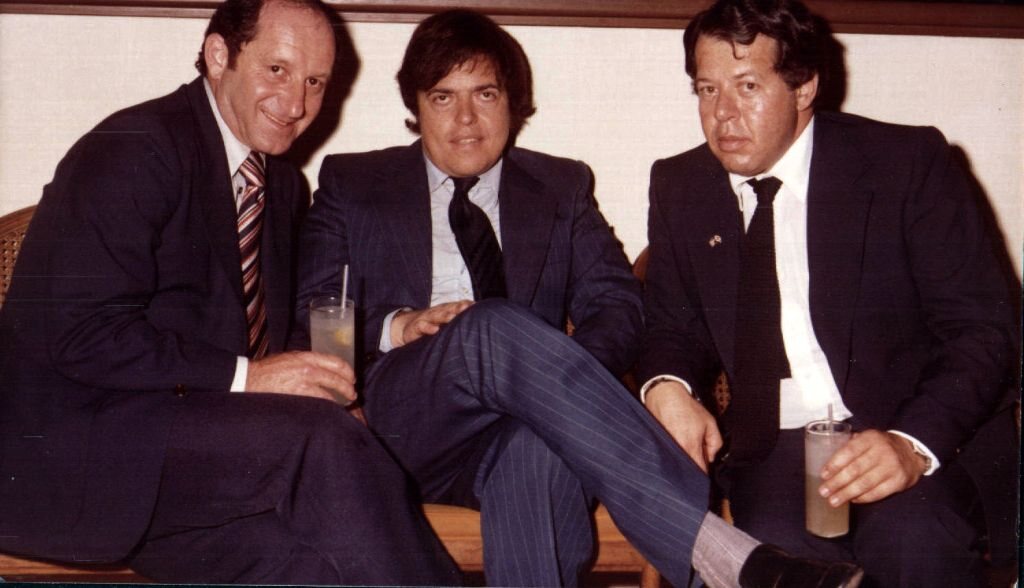
Jack, Leon and Alan in suits
Jack & Alan The founders Sharp-suited and at ease — the schoolfriends who decided Durban deserved a better way to shop.
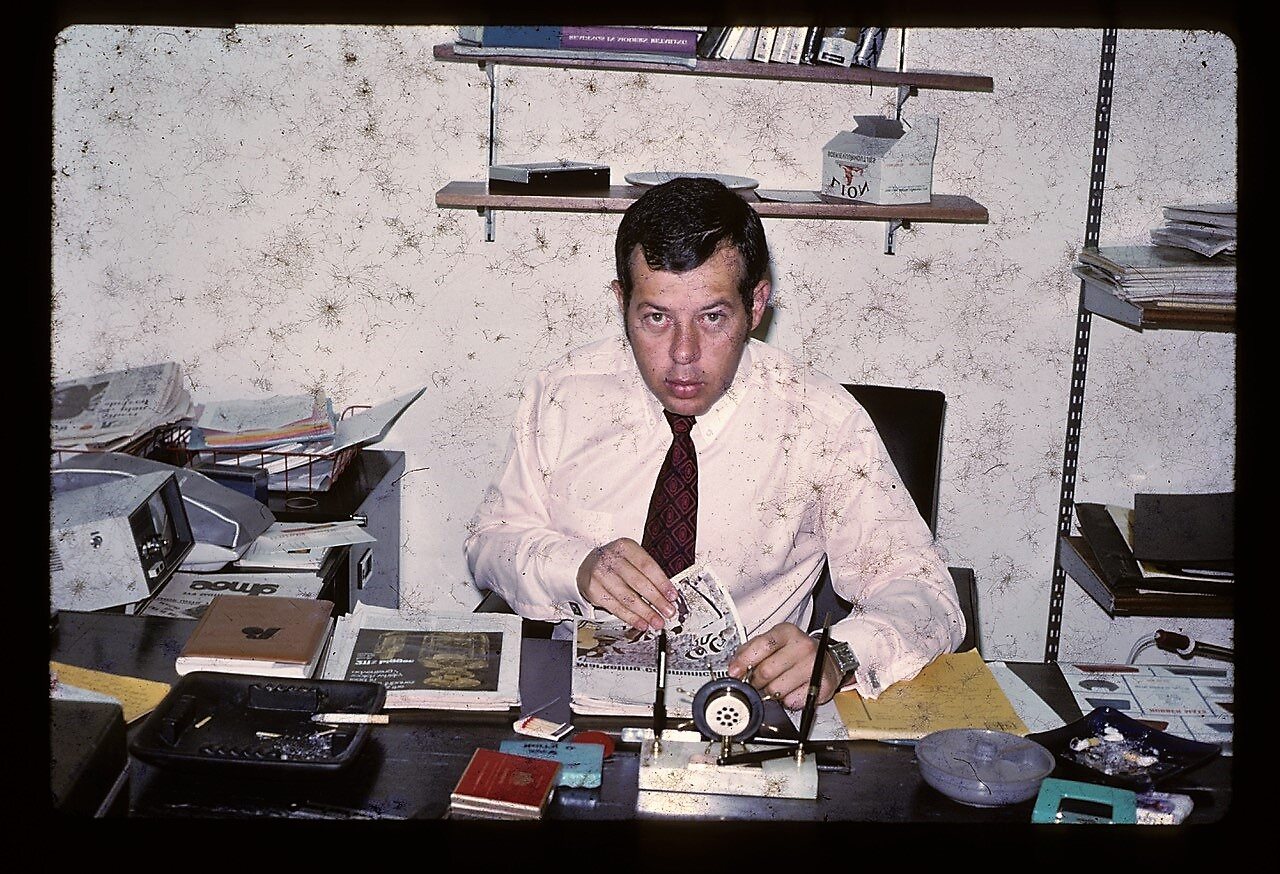
Alan Hellmann at his desk holding a deck of cards
Alan Hellmann Marketing genius At his desk, a deck of cards in hand. Ahead of his time, and impossible to argue with for long.
Chapter Three

Shopping Should Be a Game

The first GAME store opened in Durban in 1970. The idea was simple, and a little mad.

They had found a huge empty hall in Smith Street — the old Sons of England Hall — and out of it came a belief that shopping had grown tedious and boring. So they did something no one else had dared: they made it fun. They conceptualised retailing itself as a game.

It was Chris Burlock — the team's marketing mind, of whom they'd say "look up thinking outside the box and you'll find her name" — who gave it the name GAME, drew the logo, wrote the slogans and named every department. And she chose the one thing that has outlived all the rest: the signature shocking pink.

"You always win at Game — good day!"
— how the switchboard answered every single call
SHOCKING PINK
the signature
NEWSPRINT INK
the adverts
NATAL CREAM
the paper
SALE RED
the price-tags
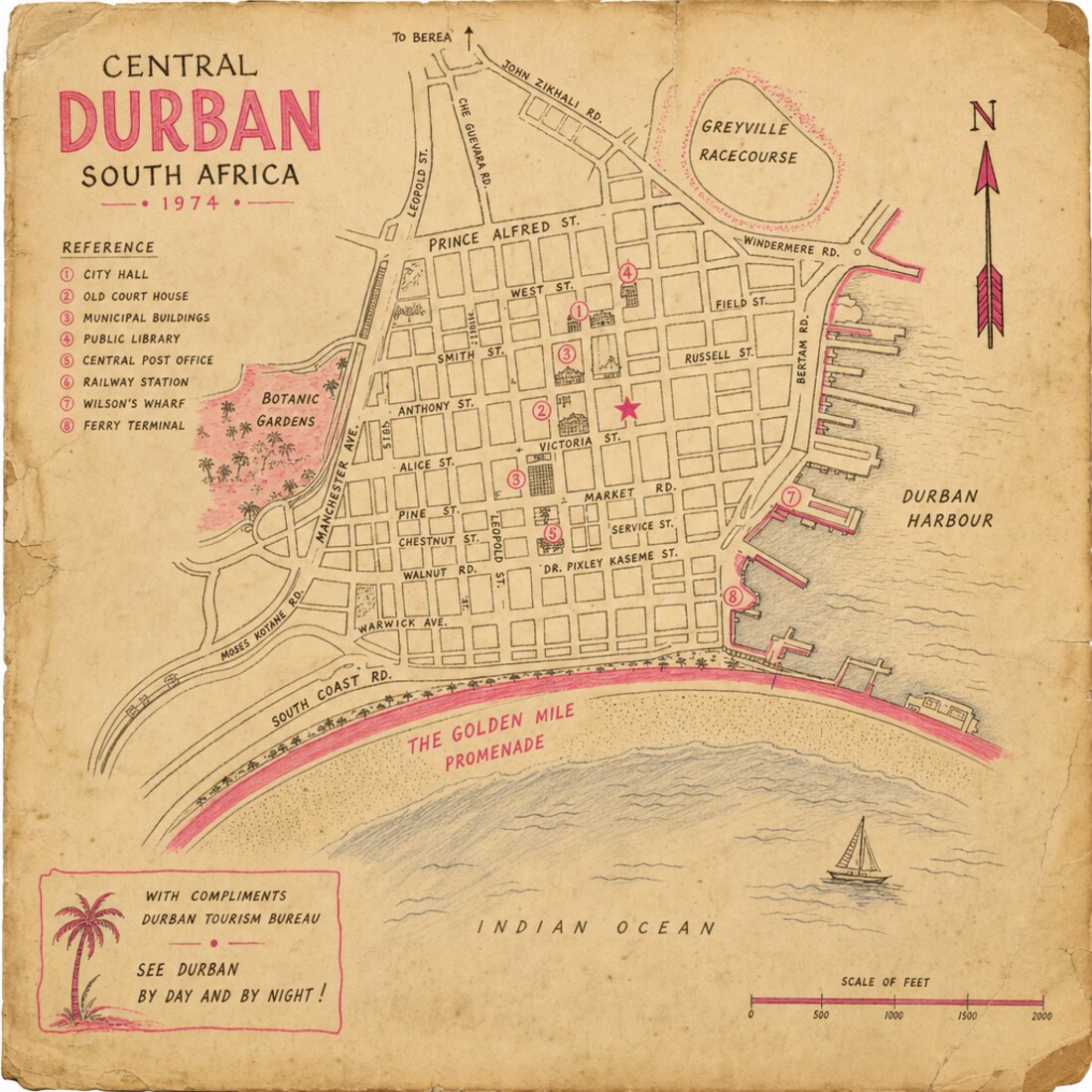
Vintage street map of central Durban
Smith Street, Durban — where the first doors opened, in the old Sons of England Hall.
Chapter Four

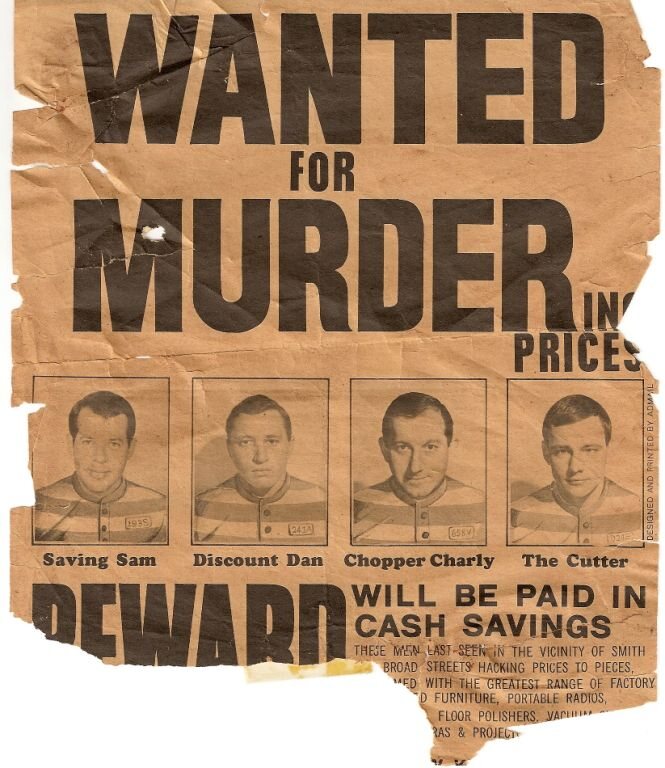
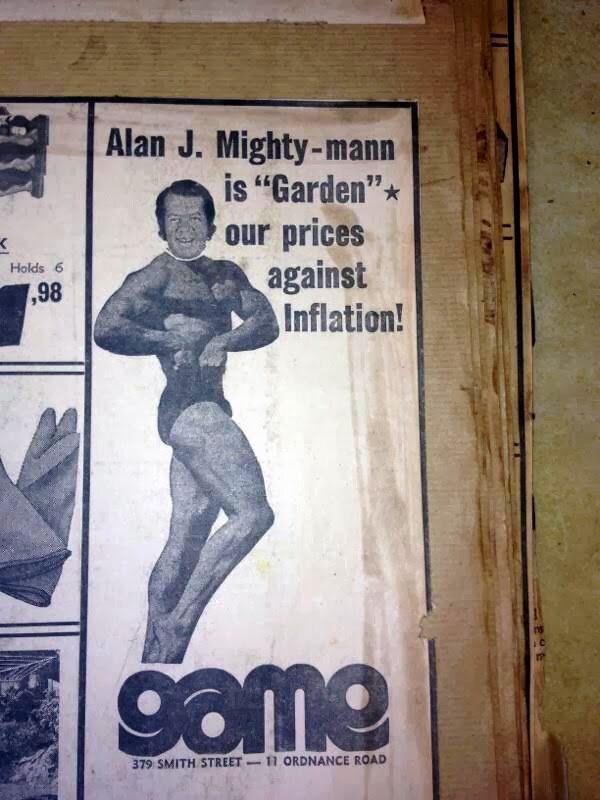
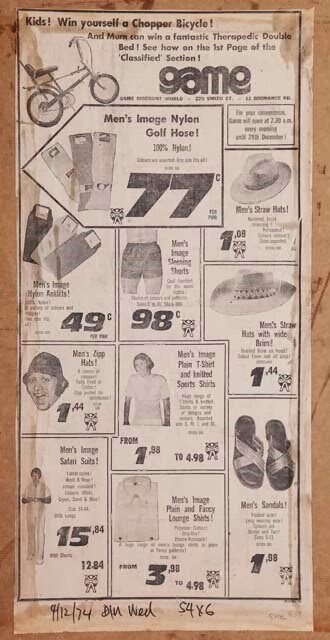
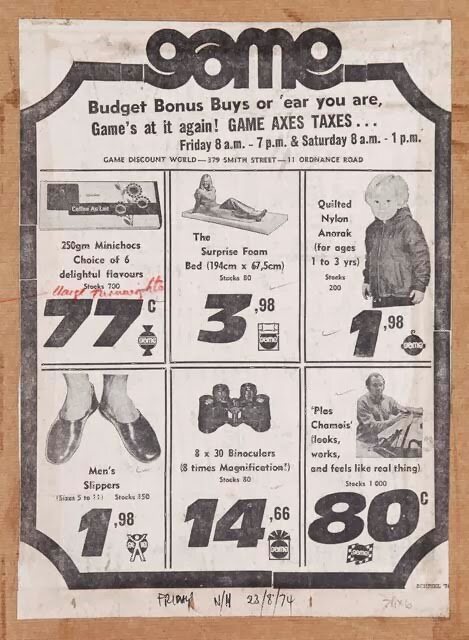
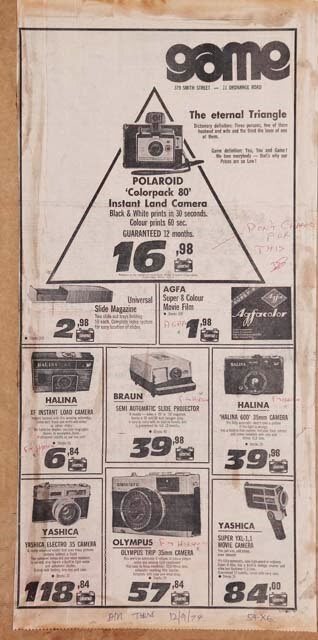
Wanted: For Murdering Prices

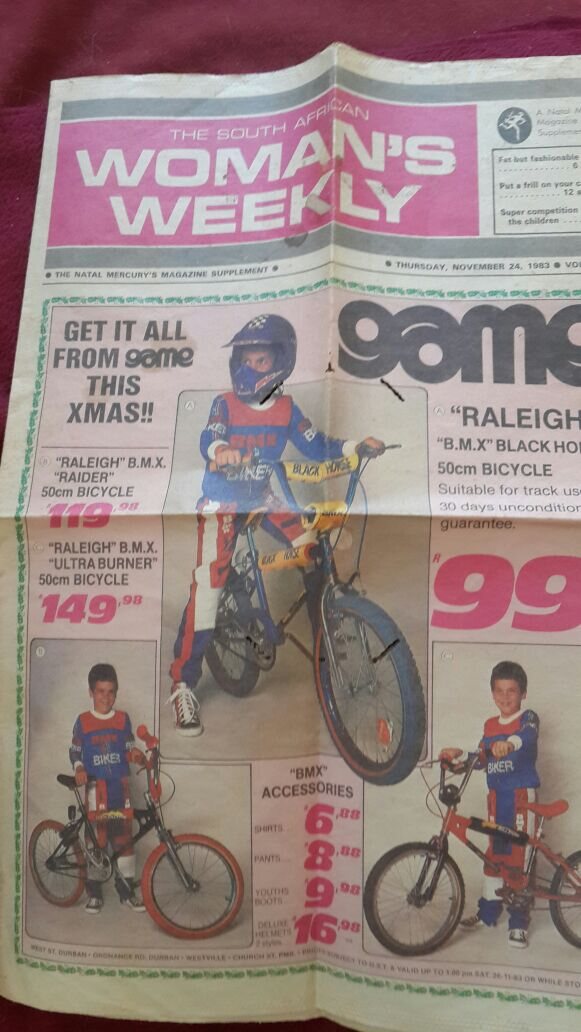
Every week, a new full-page raid on the cost of living — drawn and pasted up by hand.

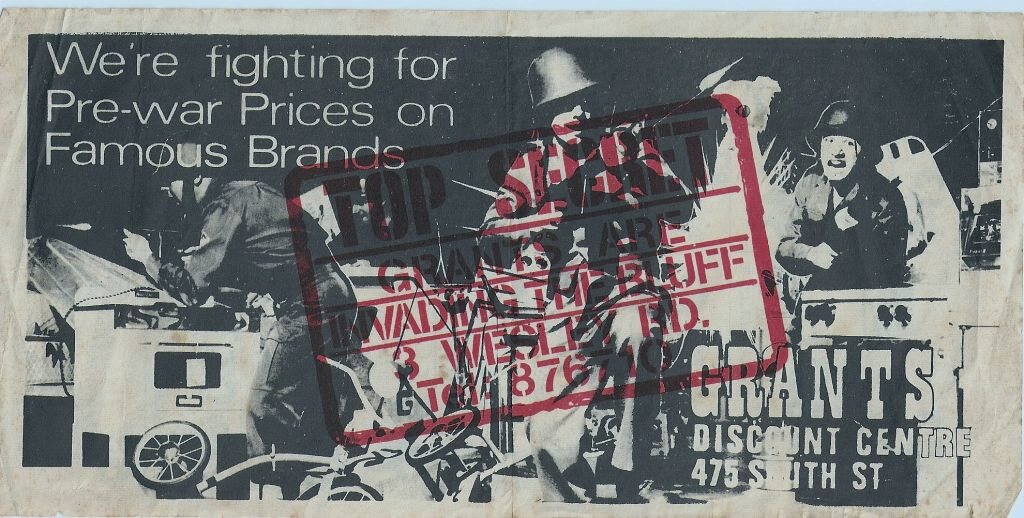
There was the Olympus Trip camera, dropped far below the agreed price the day young Sam Brewer spotted a rival doing the same. There was the photo album that GAME and Clicks chased down to 98c and 99c — until the two buyers rang each other, laughed, and agreed to stop. And there was the Chopper bicycle, which OK Bazaars and GAME sold below cost in a window-to-window war on Smith Street.

"Tell them to get lost," Alan said, mid-meeting. That was rather typical of how Alan went about things.

→ scroll on — the clippings keep coming

Chapter Five

The Magic Team

"We worked there because we loved working there. It was definitely not for the money."

Alan and Jack backed their people one hundred per cent because they trusted them. Make a mistake and they let you fix it. Six days a week, l-o-n-g hours — and tremendous job satisfaction.

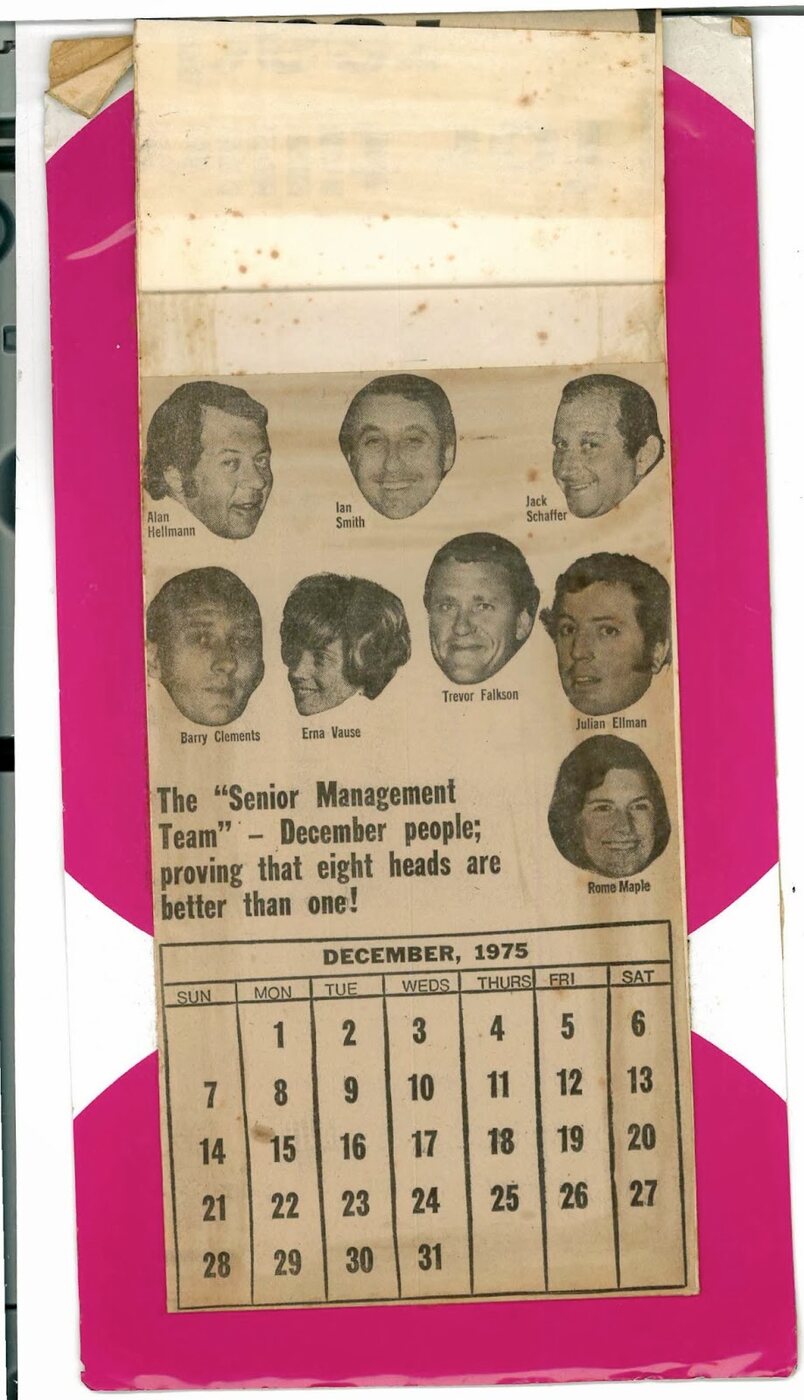
There was Barry Clements, the finest operations man in the country, who never asked anyone to do what he wouldn't; Trevor Falkson, who understood merchandising to the n-th degree; Erna Vause, whose books were the envy of the trade; and a core of buyers who owned their departments — Mike Woodley, Julian Ellman, EB Lockhat, Peter Blair and Bernard himself.

They were taught the little things that meant everything. One of them they never forgot.

December 1975 senior management calendar
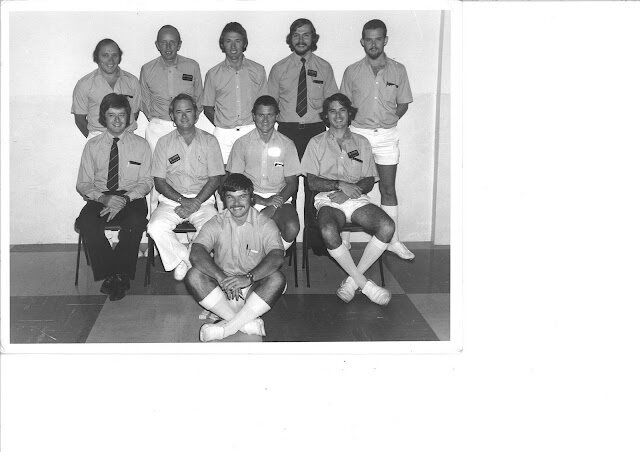
the whole team, in pinkSenior management · Dec 1975
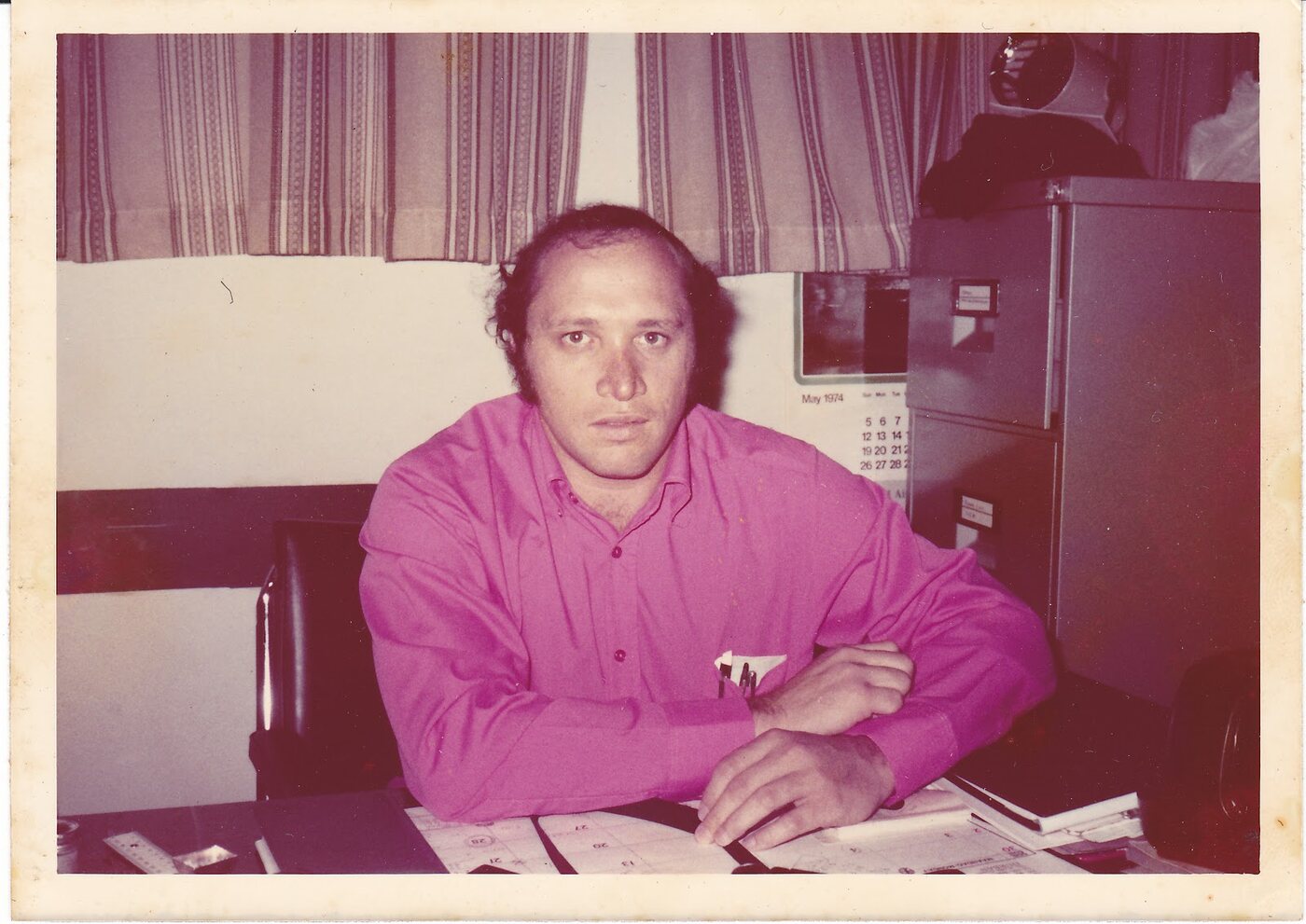
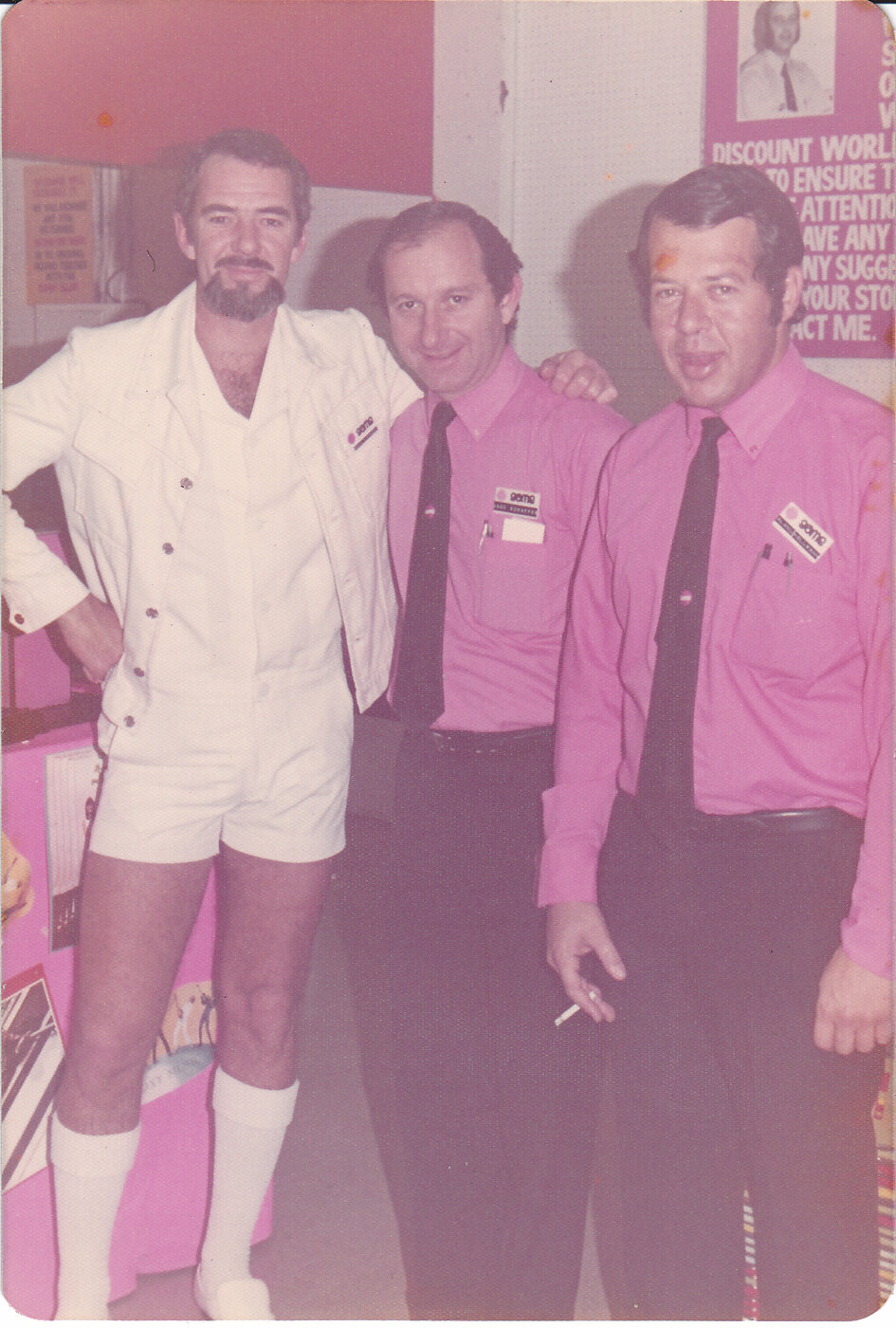
Bernard Shapiro in pink shirt
Bernard, in the famous pinkBuyer · 1974
Crew in uniform shirts
the crew, badged & lined upShop floor
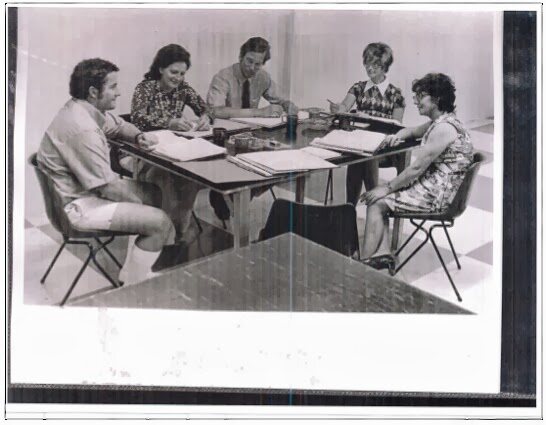
Erna Vause admin team around a table
the engine room — admin around the tableErna Vause's team
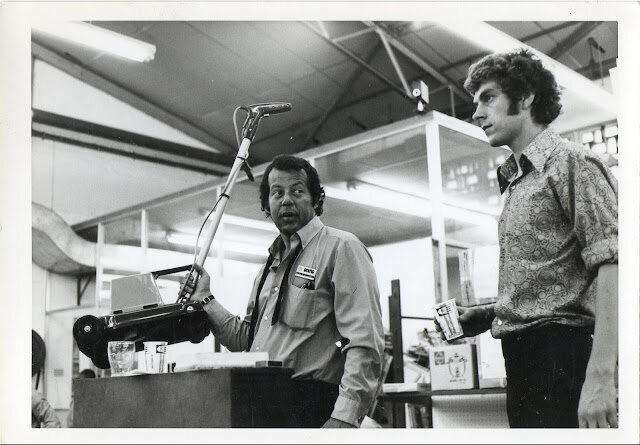
David demonstrating a mower
selling from the floorIn-store demo
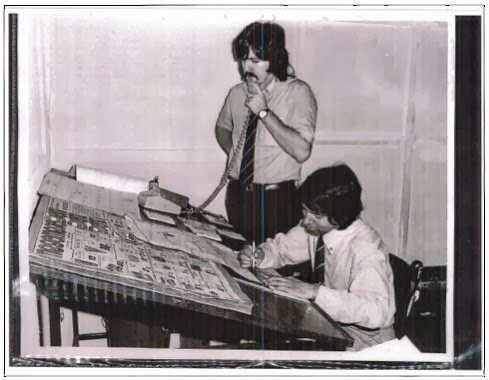
Laying out an advert by hand
next week's advert, by handThe paste-up board
"Don't EXPECT — INSPECT!"
Chapter Six

You Always Win at Game

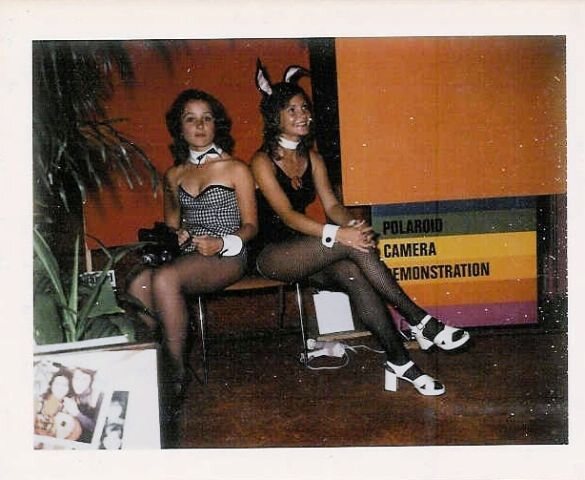
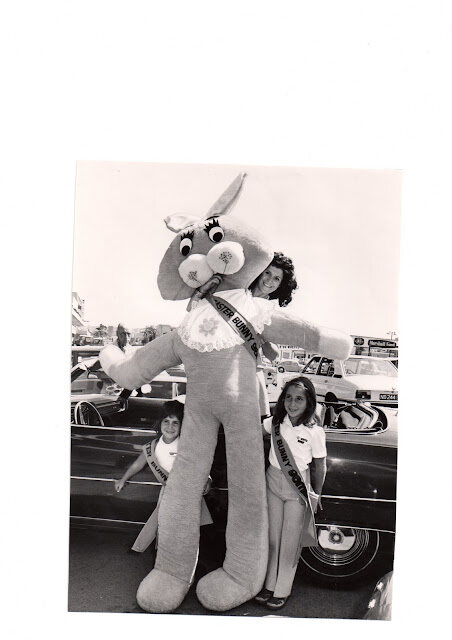
Opening-day crowds, cricket whites and beers, Polaroid demos, an Easter bunny in the car park.

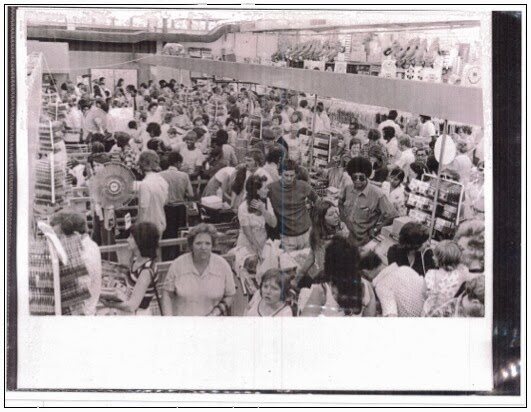
Opening day crowds at Brickhill Road
Opening day at Brickhill Road — and the doors simply burst open.

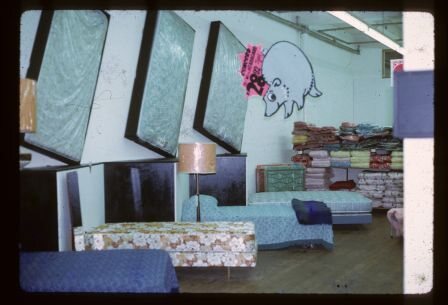
On opening day the parking lot filled to the last bay and the floor packed solid with shoppers. GAME wasn't just a store; it was an event. There was a switchboard that sang, a pink elephant on the bedding wall, and a mascot bunny posing with children among the cars.

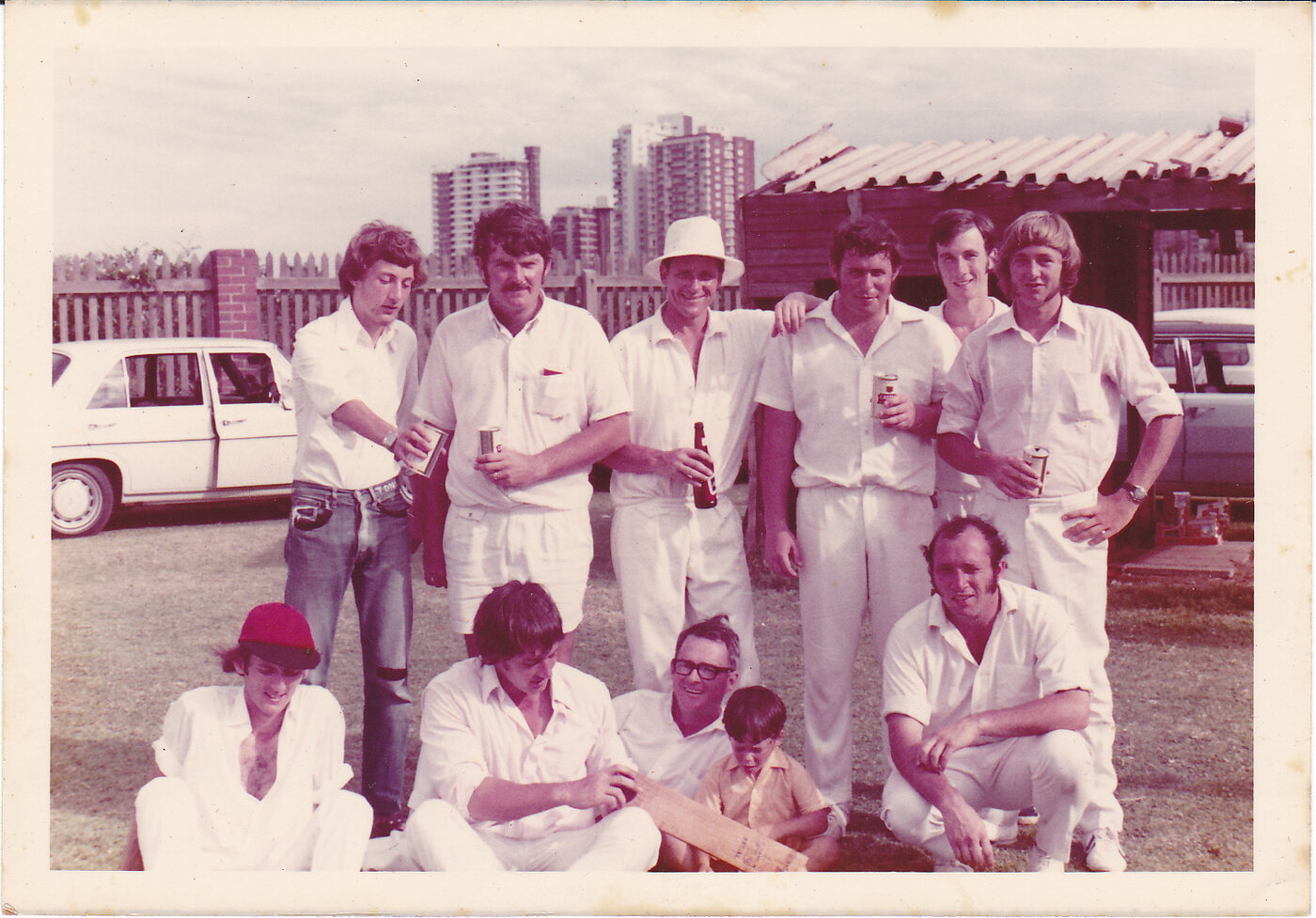
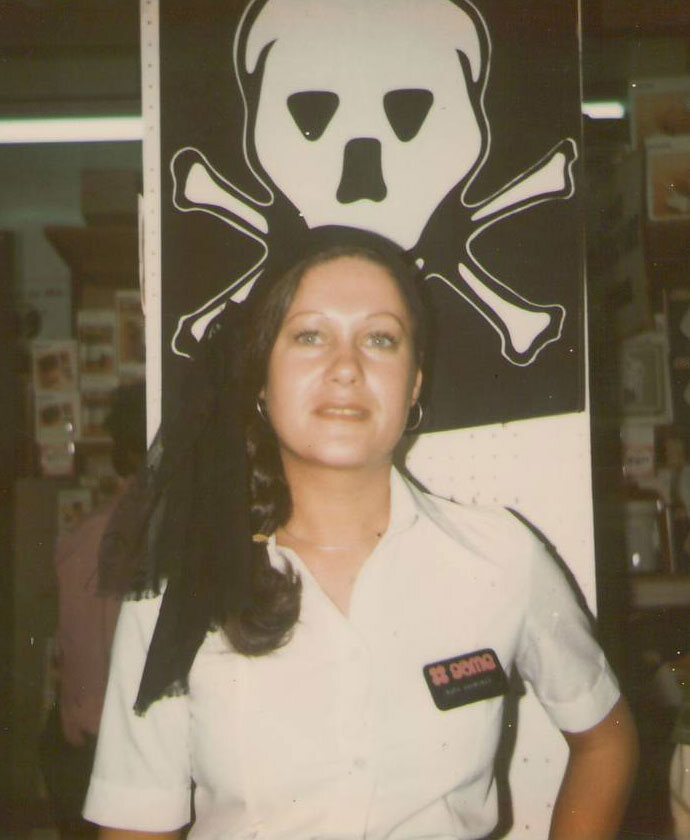
Frank & Hirsch ran Polaroid demonstrations with hired "Super Girls," snapping free instant photos of shoppers who besieged the stand for one. The cricket team — really the whole company in whites — gathered at the boundary with beers and the Durban skyline behind them.

It was, by every account, the best job anyone ever had.

Game cricket team with beers
the Game XI, beers by the boundary
Polaroid demonstration, 1973
Polaroid demo day, 1973
Game Easter bunny mascot with children
meeting the Game bunny
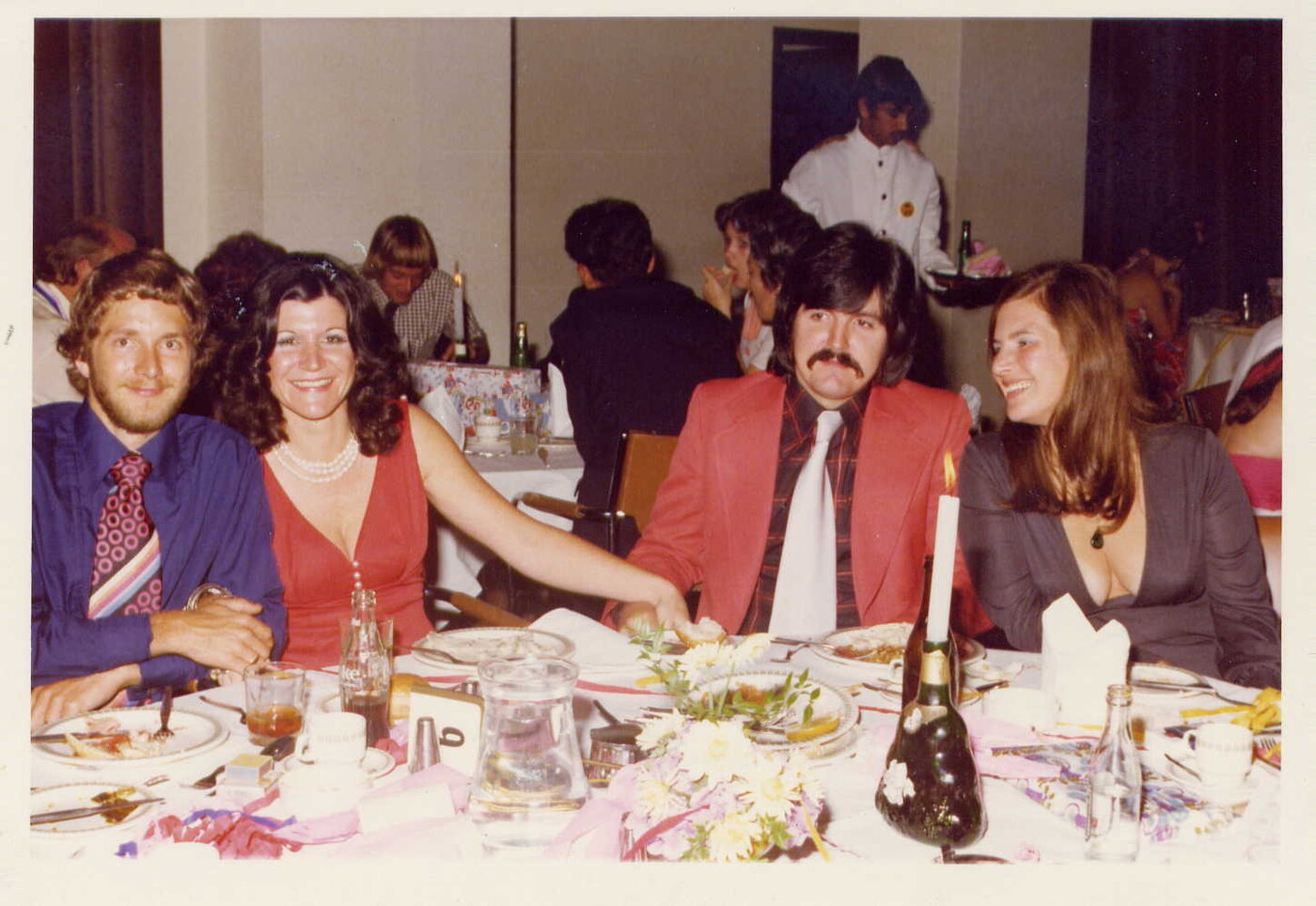
Company gala dinner
a candle-lit company night
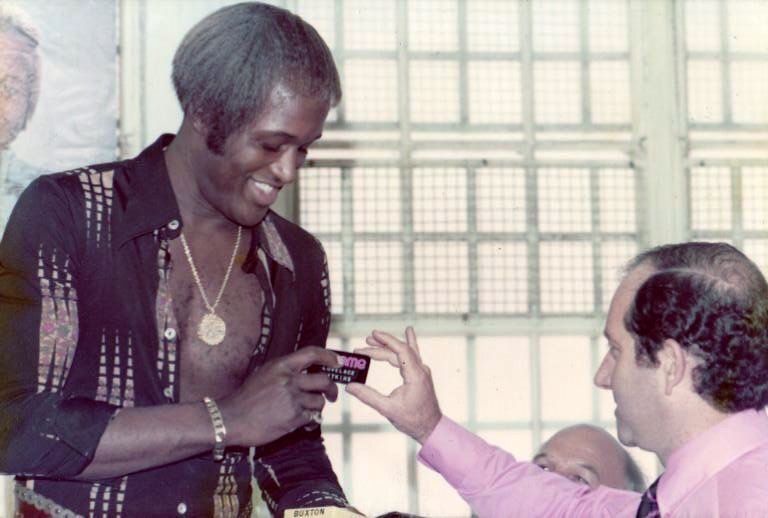
Boxer receiving a Game badge
a champ gets his Game badge
Store interior with pink elephant
the pink elephant on the wall
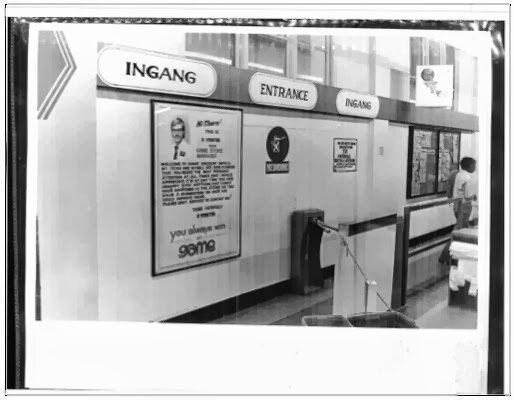
Bilingual store entrance
Ingang / Entrance — you always win
Ruth by the murdered-prices display
guarding the murdered prices
Chapter Seven

The End of the Beginning

Alan left for America. For a long while, Game was never quite the same.

Bernard left in 1975 — newly married, with just seven days' leave taken in five years — and Alan had by then emigrated to the United States. "I left with a heavy heart," he wrote, "and after that Game was never the same." The company slid from fourteen branches to eleven, losing money for years.

Then it turned. New hands rebuilt it; profits returned; the business was eventually sold to Massmart. Today GAME trades from scores of stores across a dozen African countries — and the shocking pink that Chris Burlock chose in a Smith Street hall has prevailed to this very day.

Two old friends reunited, Cape Town behind them
Old friends, decades on — Table Mountain behind them, still smiling.
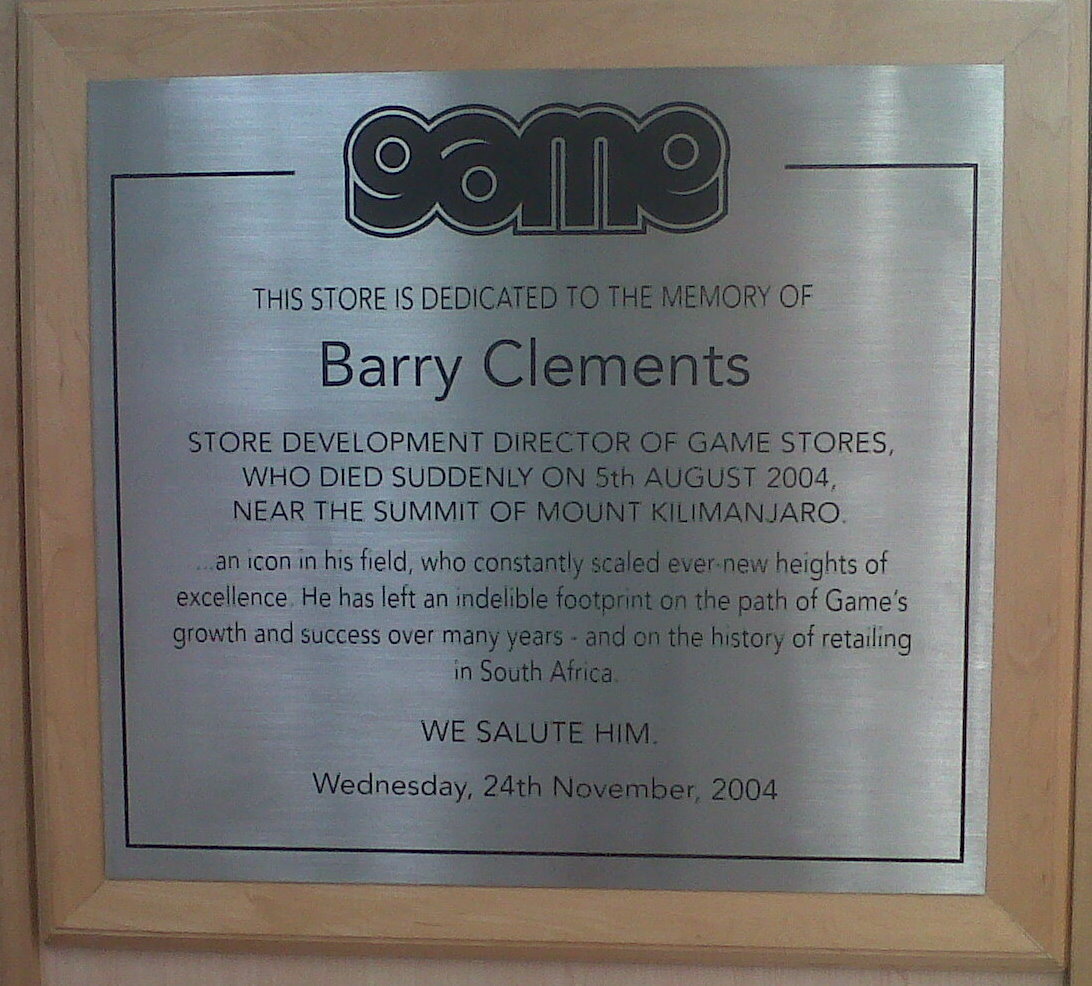
Barry Clements memorial plaque
Barry Clements died near the summit of Kilimanjaro in 2004. A plaque at the Gateway store reads simply: "We salute him."

★ In Memory ★

Alan Hellmann
Jack Schaffer
Peter Granat
The people who should take the credit for what Game became.
Sadly, all three died before they grew old.